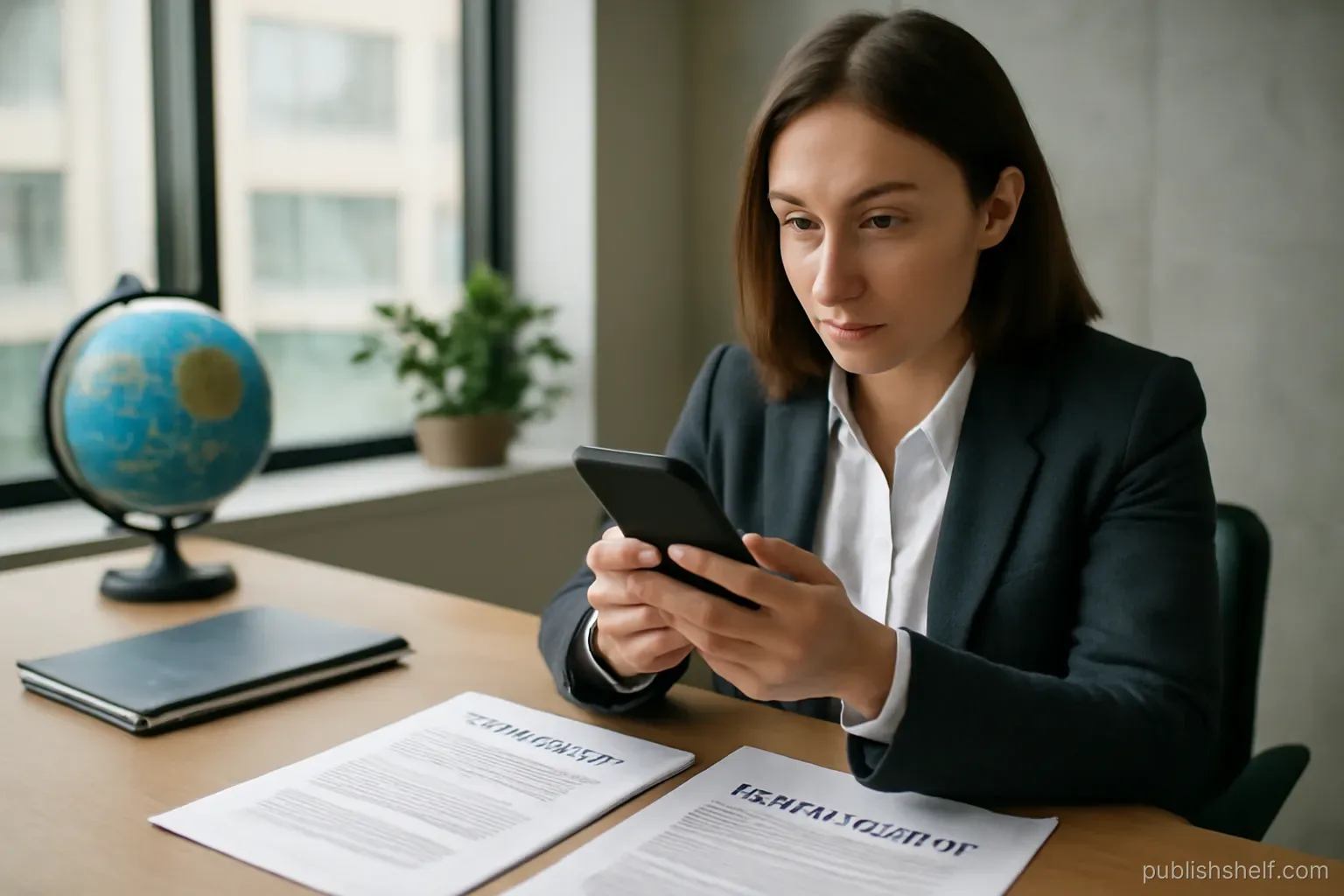
Most reading now happens on a phone — the question is not whether to read on screens, but how to do it without headaches and tired eyes. These habits are simple and they work.
The 20-20-20 rule, actually applied
Every 20 minutes, look at something 20 feet away for 20 seconds. Set a gentle timer for your first week; after that it becomes automatic at chapter breaks.
Distance and posture matter more than brightness
Hold the phone 35–40 cm from your eyes, slightly below eye level. Reading flat in bed with the phone above your face is the fastest route to strain.
Match brightness to the room
A bright screen in a dark room forces constant pupil adjustment. Use dark mode at night, and keep a soft lamp on — never read in total darkness.
Use reader typography, not browser defaults
A proper reading interface with adjustable font size, comfortable line height and warm background tones reduces strain more than any blue-light filter.
Frequently asked questions
Is dark mode better for reading?
At night, yes. In bright daylight, dark text on a light background is usually easier to read.
Do blue-light glasses help?
Evidence is mixed. Distance, breaks and lighting fix far more strain than any lens coating.
How long is too long for one session?
With breaks every 20 minutes, an hour or two is fine. Without breaks, even 30 minutes can leave your eyes tired.